Massage Therapy

Hands-on treatment for pain, tension, recovery, and movement limitations.

Massage therapy is most useful when it is connected to a clear assessment, a specific goal, and practical follow-through after the appointment.

Sunlit treatment table with folded towel in a modern rehab clinic

Hands-on care for pain, tension, and better movement.

Treatment starts with understanding what is sensitive, what has changed, and what your body needs to tolerate again. That might be work demands, training, sport, sleep, or simply moving through the day without guarding.

The session can include soft tissue work, mobility-focused treatment, education, and simple movement guidance. The goal is to help symptoms settle while giving you a clearer path for what to do next.

How massage therapy works here.

The exact plan changes from person to person, but the appointment stays grounded in assessment, clear communication, and useful next steps.
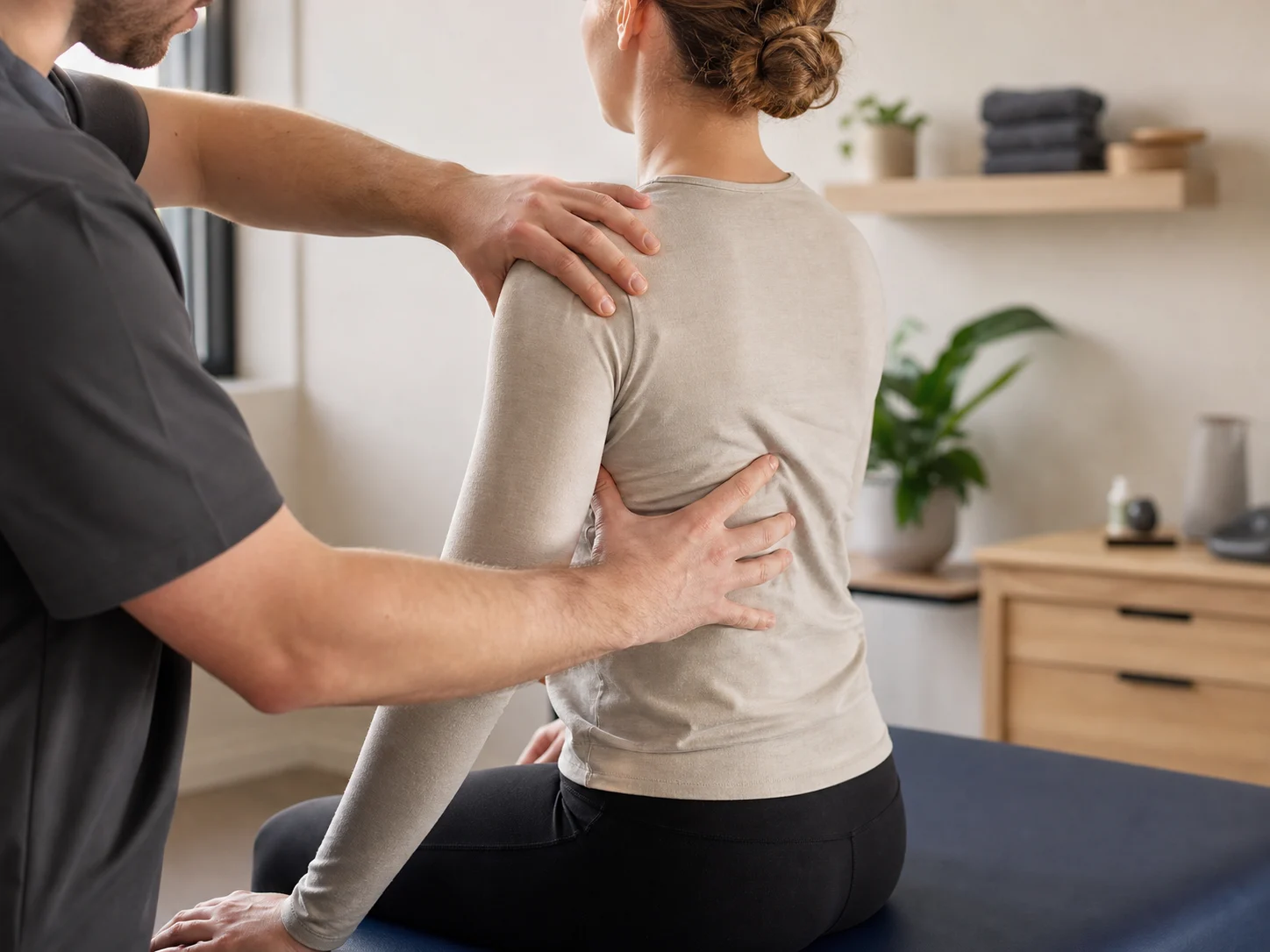
Massage therapy assessment of shoulder and upper back position in a warm clinic room
01

Assessment before treatment.

A useful treatment plan starts with context. We look at where symptoms show up, what positions or movements change them, and what demands you need your body to handle.

  • Symptom behavior
  • Movement and posture context
  • Goals for treatment
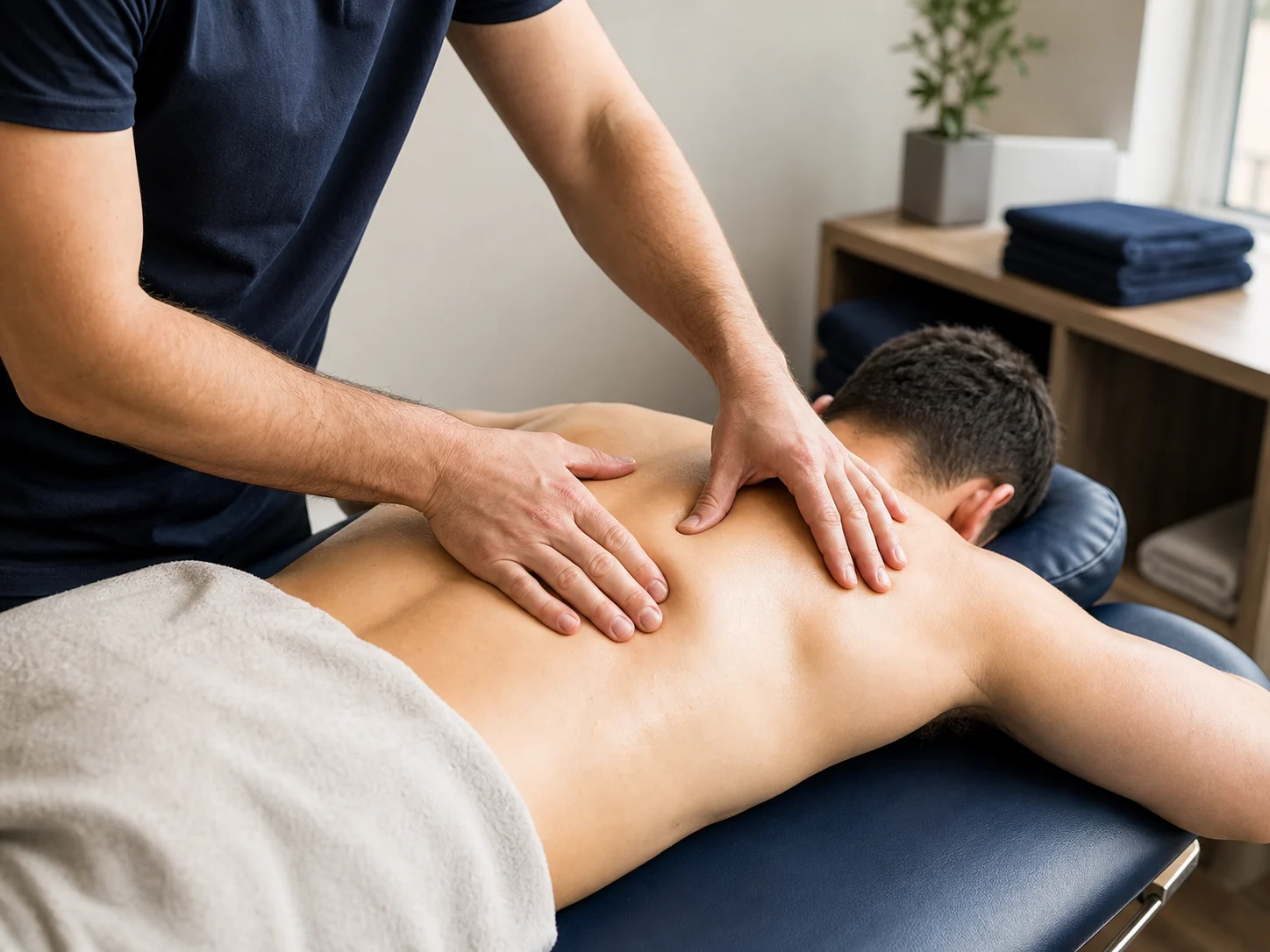
Professional massage therapy treatment for upper back and shoulder tension on a clinic table
02

Treatment that matches the goal.

Hands-on work is selected based on what you present with that day. Treatment may focus on reducing sensitivity, improving tissue tolerance, easing tension, or preparing you to move better.

  • Soft tissue treatment
  • Mobility-focused care
  • Clear pressure and comfort checks
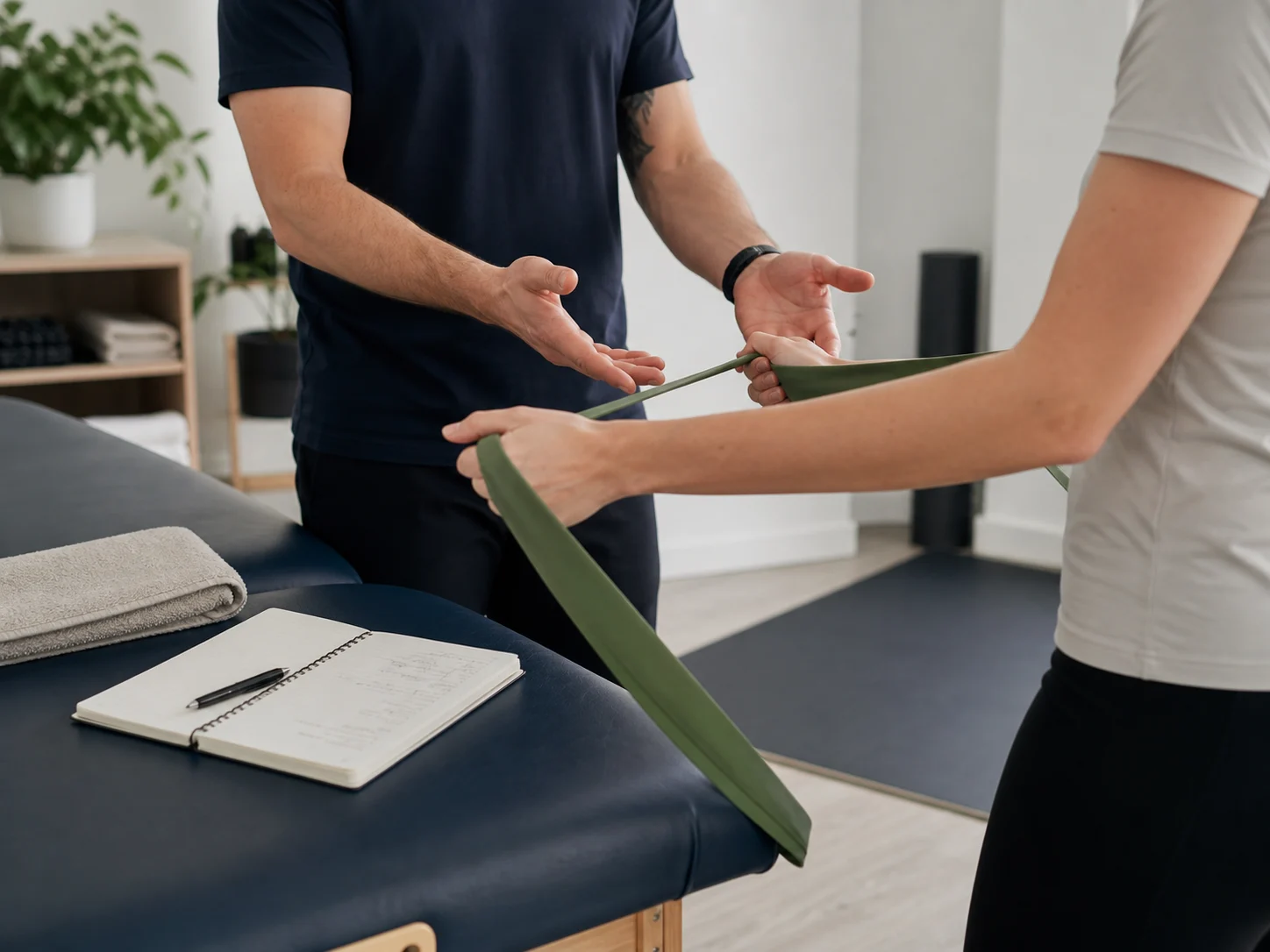
Clinician demonstrating a resistance band movement drill beside a massage therapy table
03

Carry the change into movement.

When it makes sense, treatment is paired with simple drills or guidance so the appointment carries into the rest of your week instead of ending at the treatment table.

  • Practical home guidance
  • Training-aware recommendations
  • Progress that fits your schedule

What we sort out in a massage therapy visit.

The appointment should leave you with more than a list of sore spots. You should understand what we treated, why it mattered, and what to watch for as you return to normal movement.

01

Which symptoms need calming down first, and which can be loaded safely.

02

What treatment approach makes sense for your comfort level and goals.

03

How the issue connects to work, training, sleep, or daily habits.

04

What to do between visits so progress does not depend only on treatment.

Focus areas for massage therapy.

RMT assessment and treatment
Soft tissue and mobility-focused care
Treatment plans for daily life and training

Start with the appointment that fits the goal.

Book through Village Roots Wellness, or open the Google Business Profile for directions and clinic details.