Clinical care with a performance lens.

I am a Registered Massage Therapist, Certified Acupuncturist, and Strength & Conditioning Coach serving clients in Durham Region.

My work sits between the treatment room and the training floor: calm enough for people in pain, practical enough for people who still need to work, train, compete, and live their lives.

Clinic notebook and treatment table in warm assessment light

Care for people who want to understand the why.

Short-term relief matters, especially when pain has been taking up too much space. But the bigger win is knowing what your body is telling you, what you can safely do next, and how to build enough capacity that the same issue does not keep running the show.

Treatment is built around the person in front of me. Your plan may include hands-on work, acupuncture, mobility work, strength progressions, or education around load management. It should always connect back to the outcome you care about.

How I approach the work.

The details change from person to person, but the process stays grounded in assessment, clear communication, and useful next steps.
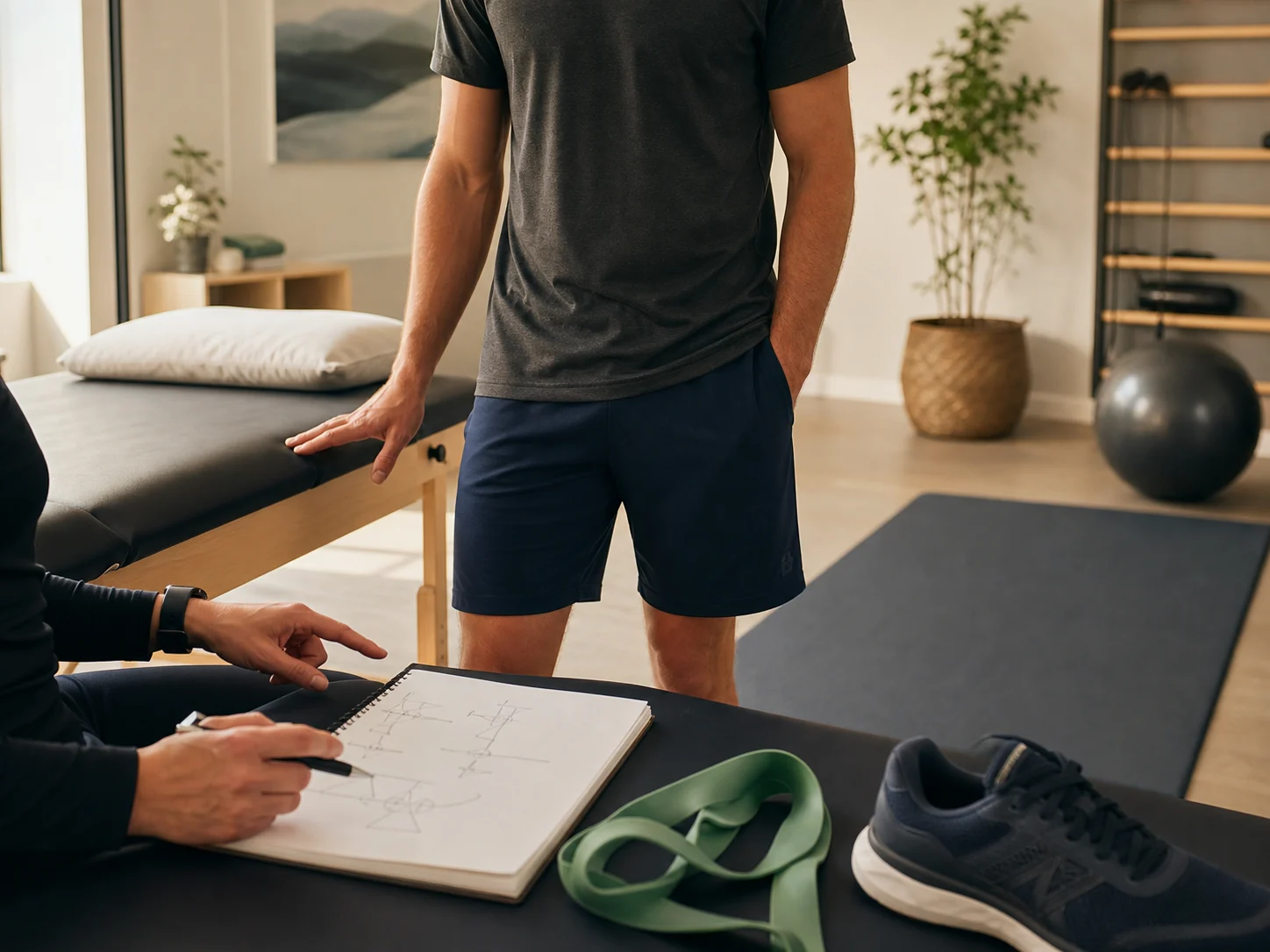
Movement assessment in a warm rehab clinic with a notebook, resistance band, and training shoe on a treatment table
01

Understand what is driving the problem.

Pain and tightness are often only part of the story. We look at how symptoms behave, how you move, what your day demands from your body, and what patterns keep showing up. The goal is to make the problem less mysterious so you can make confident decisions outside the appointment.

  • Clear explanations
  • Movement and symptom context
  • Confidence with next steps
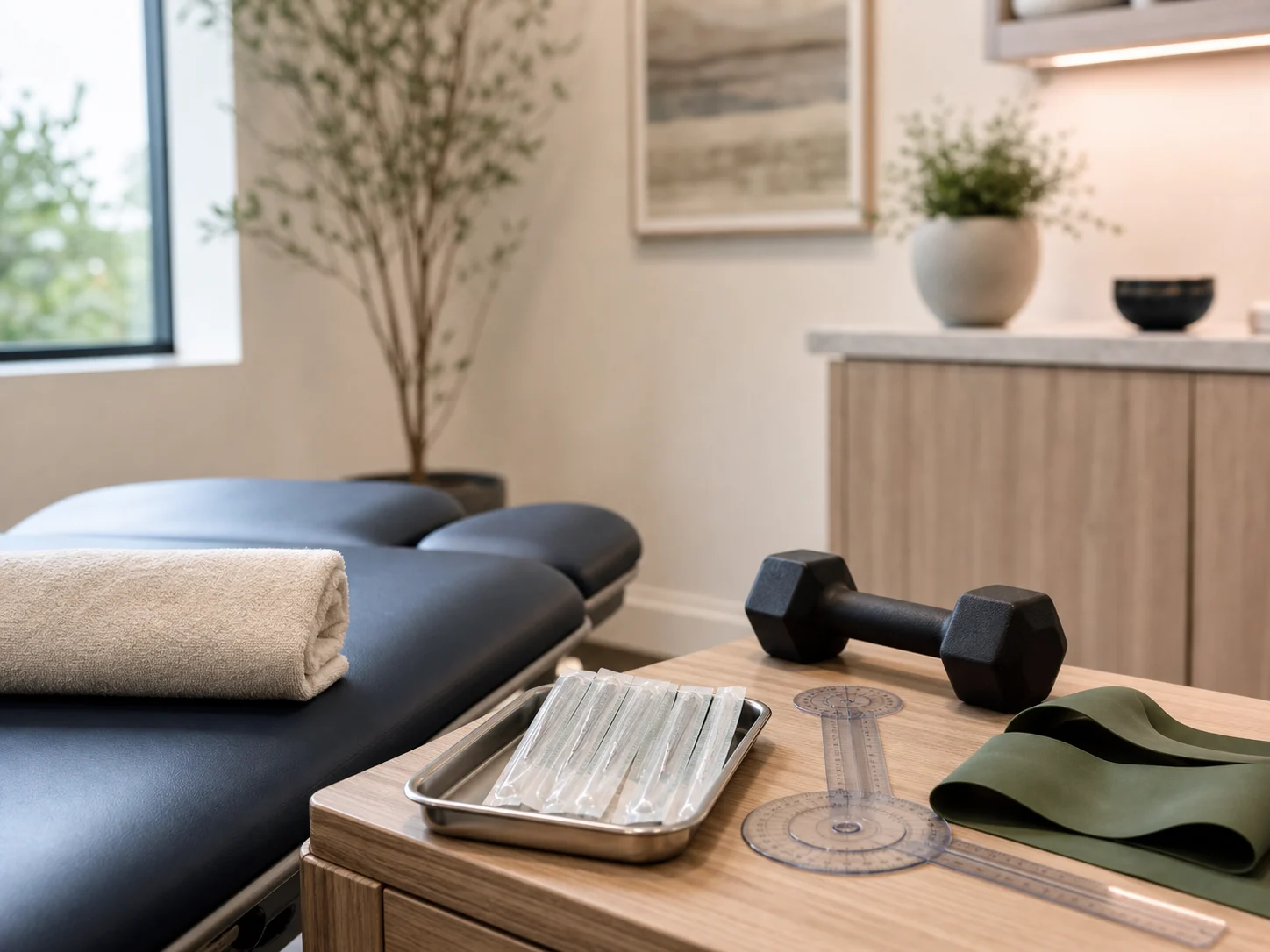
Treatment table with folded towel, acupuncture supplies, movement assessment tools, resistance band, and dumbbell
02

Use the right tool at the right time.

Hands-on care, acupuncture, movement assessment, and strength work are not separate lanes here. They are options that can be combined when they fit your presentation, comfort level, and goals. Some days treatment needs to calm things down; other days the work needs to build capacity.

  • Manual therapy and acupuncture
  • Assessment-led movement work
  • Strength principles when appropriate
Collaborative clinic conversation with an open notebook, water glass, and keys on a wood table
03

Build the plan around real life.

Every plan starts with a conversation about what hurts, what matters, and what you want to get back to doing. That might mean training, work, parenting, sport, sleep, or simply moving through your day without bracing for pain.

  • Goals before protocols
  • Practical home guidance
  • Progressions that match your life

The first appointment should give you a clearer path.

You should leave with a better understanding of what we found, what we worked on, and what comes next. That does not mean forcing a complicated plan. It means choosing the few things that matter most right now.

01

What is most sensitive right now, and what can we do without making it worse?

02

Which movements, positions, or loading patterns are connected to the issue?

03

What treatment options make sense today, and what should wait until later?

04

What should you focus on between appointments so the plan keeps moving?

Start with the appointment that fits the goal.

Book through Village Roots Wellness, or open the Google Business Profile for directions and clinic details.